
Hidden scars from a 1941 German air raid have been dramatically uncovered at Leeds Town Hall during its ongoing restoration, revealing the true extent of wartime damage previously masked by rushed post-war repairs. This critical discovery means the project, led by Kier Construction in partnership with Leeds City Council, now includes urgent structural reinforcements and accessibility upgrades, pushing the reopening to late 2026 while meticulously preserving the landmark’s rich heritage.
What hidden wartime damage was uncovered at Leeds Town Hall and how is it being addressed in the building’s current restoration?
Recent redevelopment of Leeds Town Hall revealed extensive hidden damage from a 1941 German air raid, previously concealed by post-war repairs. The restoration project now includes urgent structural updates, historic preservation, and new accessibility features to ensure safety and honor the landmark’s heritage.
Uncovering Wartime Damage at a City Landmark
Leeds Town Hall has long stood as one of the most recognizable symbols of the city, towering above Calverley Street since its inauguration in 1858. Yet, the building’s grand Victorian façade has quietly concealed a painful chapter in the city’s history – a devastating air raid during the Second World War. Recent redevelopment efforts at the landmark have revealed extensive damage inflicted by a German Luftwaffe bombing raid over 80 years ago, the extent of which had remained hidden behind layers of post-war repairs.
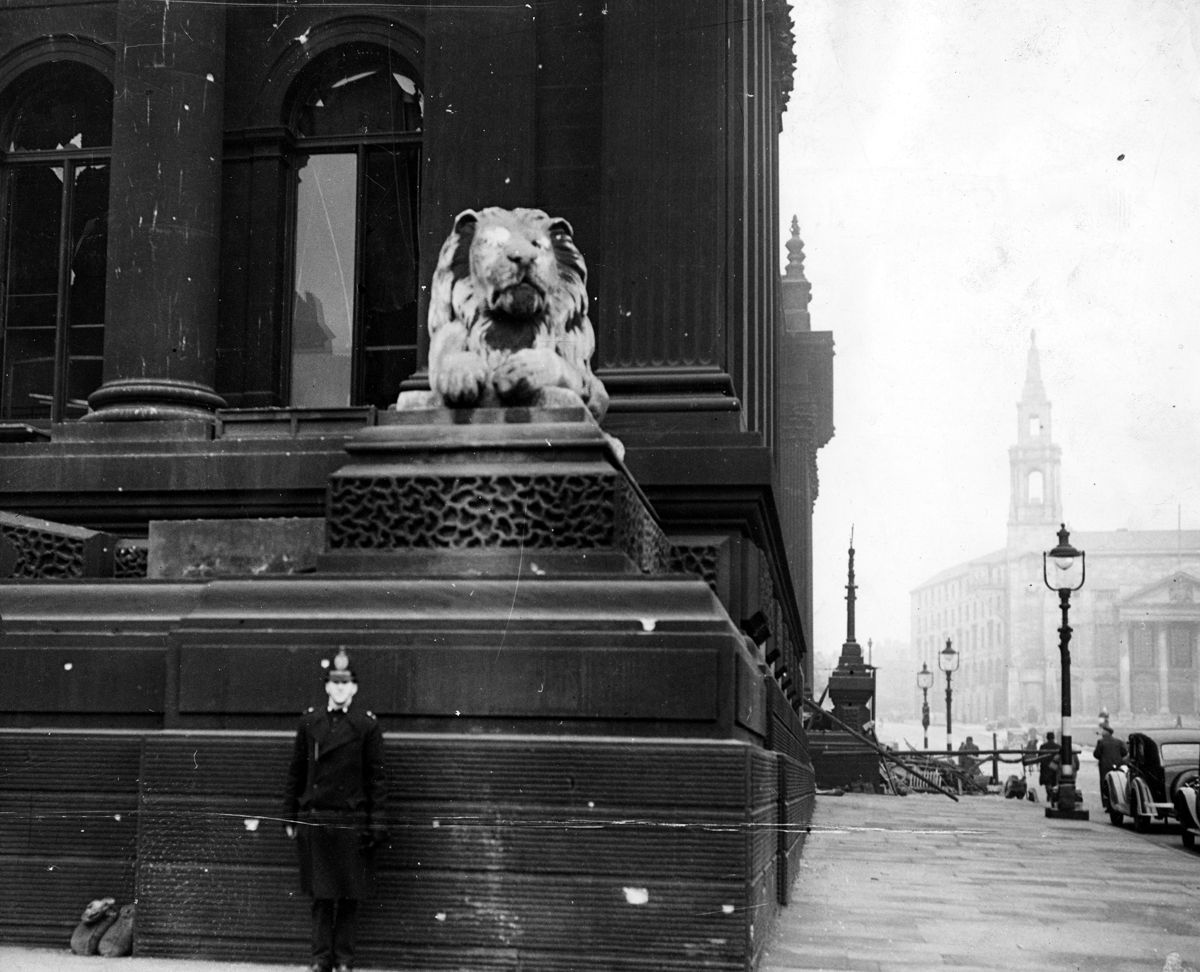
On the night of March 14-15, 1941, Leeds city centre was targeted in what became known as The Quarter Blitz. The relentless bombardment resulted in the deaths of 65 people and left cherished city structures, including the Grade I listed Leeds Town Hall, severely damaged. Particularly affected was the Calverley Street entrance, where the force of the explosion caused a significant portion of the building’s roof to collapse inward. Archival photographs from the era depict not only the shattered masonry and exposed interiors but also the massive clean-up efforts that followed.
According to Dan Doherty, regional director for Kier Construction North and Scotland, “With heritage building projects, it’s often only once construction begins that we start uncovering layers of history and discovering unexpected aspects of the building’s story – and this of course means we have to adapt our original plans.” The recent works have unveiled the true scale of the destruction and highlighted the shortcomings of the swift post-war repairs, which used materials and craftsmanship that have not stood the test of time.
The Challenge of Preservation and Renewal
The rediscovery of this historic damage has underscored the need for urgent new structural interventions. The mismatch between the rapid post-war fixes and the rigorous standards required today has meant additional modern structural work is now imperative to safeguard the hall for generations to come. Failures in the old repairs, especially within the eastern wing, have necessitated the unexpected replacement of several floor structures to meet modern safety and heritage standards.
These revelations have also had a tangible impact on the project’s timeline and scope. The reopening of Leeds Town Hall, initially anticipated sooner, has been pushed back to the end of 2026. This new schedule reflects the project’s expanded remit, which now includes both the intended restoration and the vital repairs necessitated by the newly exposed damage. The construction, led by Kier in partnership with Leeds City Council, remains committed to both the preservation of historic features and the enhancement of accessibility throughout the building.
Speaking on the project’s priorities, Doherty emphasized: “Even as we uncover these elements of the building’s heritage, the priority remains the same – working closely with Leeds City Council to create a modern, welcoming and accessible Leeds Town Hall, while protecting the key features which have made it such a stunning and beloved focal point for the city for more than 160 years.” These key features include the conservation and repair of intricate stone masonry, delicate plasterwork, and original doors, all deemed crucial in maintaining the building’s heritage status.
Restoring a Focal Point for Culture and Community
The restoration project is not solely about repairing physical damage. It also aspires to equip Leeds Town Hall with contemporary amenities that meet the needs of today’s diverse audiences. Plans for the redevelopment include the creation of a new accessible entrance, a modern box office, and a bar to enhance visitor experience, making the hall a more inclusive space for all.
Beyond the bricks and mortar, specialty teams are undertaking a careful refurbishment of the hall’s famed pipe organ – an instrument integral to the site’s musical legacy. Once complete, the improvements promise to deliver an even more captivating experience during concerts and performances held at the venue. The vision for the renewed town hall is to not only preserve heritage but also to position the building as a central hub for accessible, world-class events in Leeds.
In a statement on the wider significance of the project, Councillor Salma Arif, Leeds City Council’s executive member for adult social care, active lifestyles and culture, observed: “Leeds Town Hall occupies a completely unique and cherished place in the story of the city and it’s fascinating to hear how the redevelopment of this remarkable building is progressing. Once completed, the Leeds Town Hall project will also ensure the city has a world class performance space at the heart of one of its key heritage buildings which can welcome audiences for many more generations to come.”
A Timeless Symbol of Leeds: Past, Present, and Future
First opened by Queen Victoria in 1858, Leeds Town Hall was designed by the renowned architect Cuthbert Brodrick and quickly cemented its stature as one of the largest town halls in the United Kingdom. Offering an impressive height of 225 feet, it was the city’s tallest building for more than a century. Such architectural ambition reflects the hall’s enduring significance as both a civic monument and a gathering place for public life.
The restoration works now underway aim to honor this legacy by marrying tradition with innovation. The team has maintained a particular focus on these priorities:
- Preserving original architectural details, from ornate stonework to historic doors.
- Upgrading accessibility to ensure all visitors can experience the building comfortably.
- Integrating new amenities that support a vibrant schedule of concerts, events, and community initiatives.
Economic considerations are also central to the project’s ambitions. By broadening the Town Hall’s cultural offerings, the venue hopes to generate vital revenue streams for Leeds City Council and contribute to the wider local economy. The redevelopment is expected to enable a greater and more ambitious range of events, creating opportunities for local businesses and performers alike.
For additional details and to follow the progress of the restoration, including information on upcoming events and fundraising opportunities, interested parties can visit the official Leeds Town Hall support page.
- Hidden damage from a 1941 German air raid was uncovered at Leeds Town Hall during its current restoration.
- The damage, previously masked by rushed post-war repairs, necessitated urgent structural reinforcements.
- The restoration project, led by Kier Construction and Leeds City Council, now includes accessibility upgrades and preservation of heritage.
- Due to the expanded scope, the reopening of Leeds Town Hall has been pushed back to late 2026.
- The project aims to create a modern, welcoming, and accessible space while safeguarding the building’s historic features and cultural legacy.