
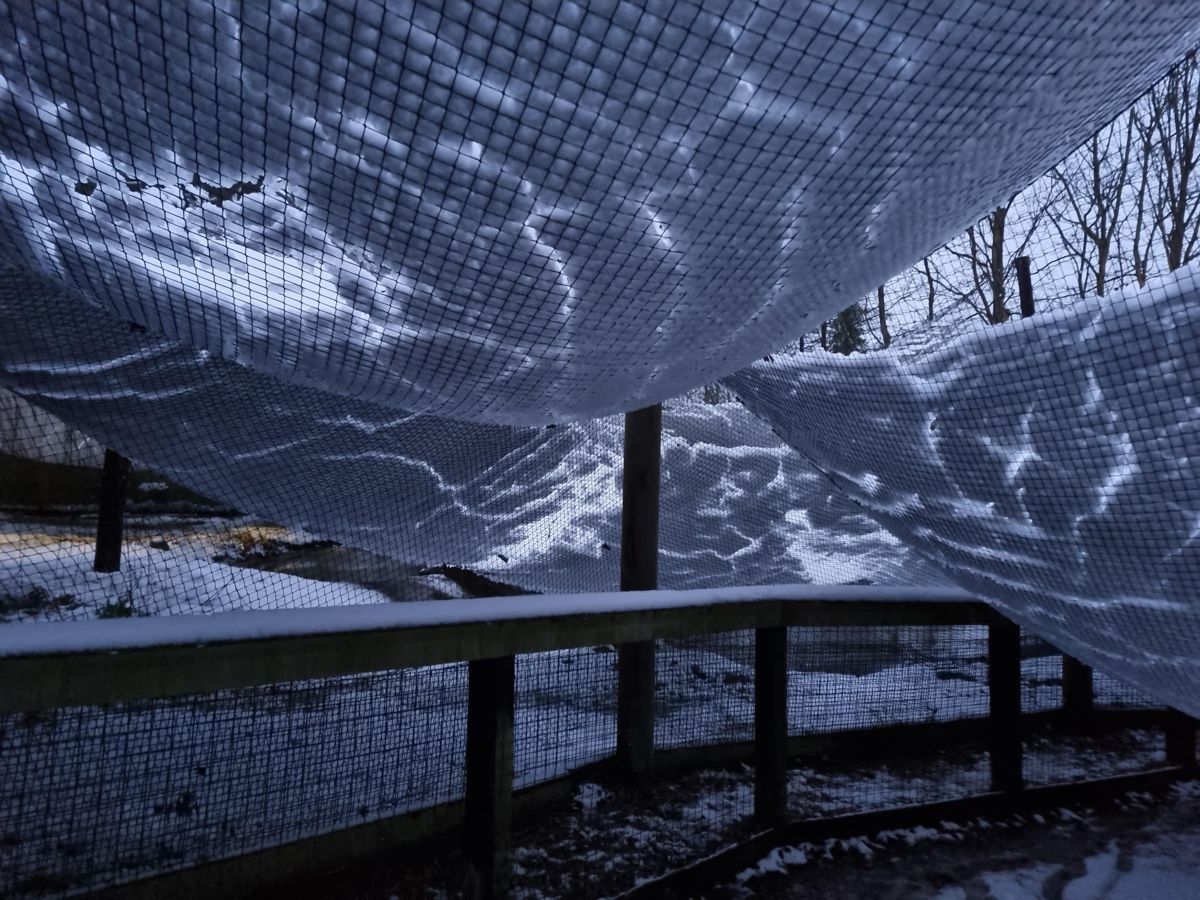
Lotherton Zoo, nestled within the historic Lotherton Hall estate, suffered extensive damage from a heavy snowfall, leading to collapsed aviaries and the escape of several birds, including seven Inca Terns and two Waldrapp Ibis. Thanks to the rapid response of dedicated staff and supportive community members, some birds have been safely returned, and the zoo plans to partially reopen on January 11, continuing its mission of conservation and education.
What happened to Lotherton Zoo after the unprecedented snowfall?
Lotherton Zoo, part of Lotherton Hall’s Wildlife World, faced significant damage following an unprecedented snowfall that resulted in collapsed aviaries and the escape of several birds. The zoo staff responded quickly to secure the enclosures and prevent further crises. Thanks to community efforts and staff dedication, some escaped birds have been recovered. Despite the challenges, the zoo has partially reopened and remains committed to conservation and education.
The Aftermath of Nature’s Fury at Lotherton Hall
Lotherton’s Wildlife World, a cherished part of the historic Lotherton Hall estate, has recently faced nature’s wrath. Following a remarkable snow event that forced the attraction to close, the staff returned to a scene of disarray. As they trudged through the grounds on the morning of January 5th, they were met with the sight of collapsed aviaries. The formidable snow had dealt a harsh blow, leaving structures that once housed various bird species in ruins. The damage was not merely cosmetic but had tangible consequences, leading to the flight of several birds from their enclosures.
The collapse did not just impact the physical infrastructure but also posed a significant risk to the avian inhabitants. Among those that took to the skies were seven Inca Terns and two Waldrapp Ibis. In a testament to the resilience and dedication of the zoo staff, frantic efforts to secure the netting prevented further escapes. The staff’s quick response was critical in averting a larger crisis that could have resulted in more birds fleeing into the surrounding areas.
Shannon Gill, an animal keeper at Wildlife World, expressed deep concern for the birds. “Having looked after these birds for nine years, I have been very worried about them,” she said. The keepers have been actively following up on sightings, hoping to ensure the safe return of these feathered members of the Wildlife World family.
Community and Council Rally in Response to Crisis
The community’s response to the incident at the Lotherton estate has been nothing short of heartening. Zoo staff have extended their gratitude to the public, whose assistance has been instrumental in the recovery of some of the escaped birds. To date, three Inca Terns and one Waldrapp Ibis have been returned to the safety of the zoo, a small victory in the face of adversity.
This collaboration between the public and the zoo staff underscores a shared commitment to the well-being of the animals. Councillor Mohammed Rafique, representing Leeds City Council, echoed this sentiment, stating, “It’s devastating to see the damage to the aviaries at Wildlife World, especially after so much recent work has gone into making the site superb for animals and visitors.” His words not only convey the council’s concern but also its recognition of the staff’s tireless efforts in the wake of this unforeseen event.
The reopening of the Wildlife World on January 11, albeit in a limited capacity, marks the first step in the journey to recovery. Councillor Rafique’s commendation of the staff’s hard work is a beacon of hope and determination. “We’re glad to be able to reopen on Saturday,” he confirmed, reassuring the public that efforts to restore the full functionality of the aviaries are ongoing.
Wildlife World’s Commitment to Conservation and Education
Prior to this setback, Wildlife World had made significant strides in enhancing its facilities and conservation efforts. In the past year alone, the establishment has seen the introduction of new mammal paddocks, a state-of-the-art penguin experience pool, a forest floor exhibit, and the reintroduction of wallabies to its collection. These advancements reflect Wildlife World’s dedication to providing an enriching habitat for its residents and an engaging experience for its visitors.
The creation of these new exhibits has been part of a broader initiative to foster an environment conducive to animal welfare and public education. The recent commendation of Wildlife World’s work is a testament to its success in these areas, even as it now faces the challenge of rebuilding. The spirit of innovation and improvement that led to the development of these exhibits is the same spirit that will drive the restoration efforts in the aftermath of the snowfall.
In light of the damage sustained, Wildlife World remains a beacon of progress in the realm of wildlife conservation. Its commitment to animal care and public engagement remains unwavering, even as it grapples with the current challenges. As the staff and community work together to rebuild, the focus remains on ensuring that the wonder of nature and the importance of conservation continue to be accessible to all who visit Lotherton Hall.
ENDS
For additional details on reopening schedules and how you can support Lotherton’s Wildlife World, please visit their official website by clicking here.
- Lotherton Zoo suffered extensive damage from an unprecedented snowfall, resulting in collapsed aviaries and the escape of several birds, including seven Inca Terns and two Waldrapp Ibis.
- The swift response from zoo staff and community members led to the recovery of some escaped birds, with three Inca Terns and one Waldrapp Ibis returned to safety.
- The zoo plans to partially reopen on January 11, resuming its commitment to conservation and education despite the recent challenges.
- Community support and collaboration have been crucial in addressing the aftermath of the crisis, highlighting the shared dedication to animal welfare.
- Prior to the snowfall, Wildlife World had made significant improvements, including new exhibits and enhancements to its facilities, reflecting its ongoing commitment to wildlife conservation.