
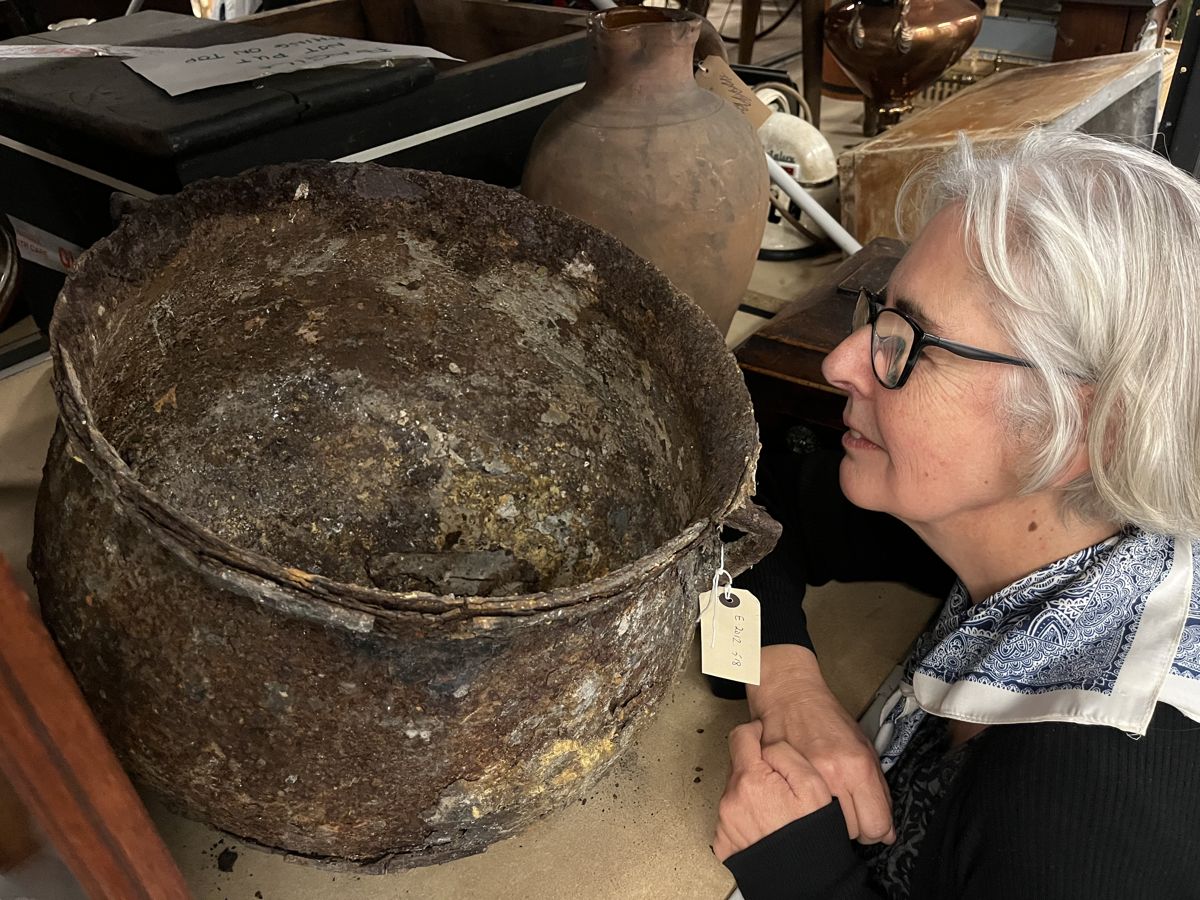
In 2012, workers at a Victorian house in Chapeltown, Leeds, unearthed an ancient iron cauldron, carefully concealed within a cellar wall, after investigating mysterious dripping sounds. This fascinating discovery is believed to be an example of apotropaic magic, a practice where objects like this cauldron, witches’ bottles, and shoes were hidden to protect homes and their inhabitants from evil spirits, curses, and disease.
What is the significance of the ancient cauldron discovered in Chapeltown, Leeds?
The ancient cauldron found in Chapeltown, Leeds, was deliberately concealed as part of apotropaic magic – a tradition aimed at protecting homes from evil spirits. Such objects, including iron cauldrons, witches’ bottles, shoes, and symbols, were believed to guard against curses and disease.
A Surprising Discovery in Chapeltown
In 2012, a team of workers investigating unexplained noises in a Victorian house in Chapeltown, Leeds, unwittingly stumbled upon a remarkable archaeological find. Behind a cellar wall, they uncovered a “petrified object” that soon revealed itself to be an ancient iron cauldron. The discovery was triggered by persistent, mysterious dripping sounds reported by the house’s resident – peculiar noises that ultimately led to the removal of part of the wall for further inspection.
Once exposed, the cauldron bore the hallmarks of purposeful concealment, encased carefully within the brickwork. Experts identified it as part of an ancient practice known as apotropaic magic – a tradition where everyday items are deliberately hidden in the fabric of buildings to guard against evil influences. Artifacts like this cauldron have surfaced in houses throughout Great Britain, primarily within hearths or chimneys, historically seen as vulnerable points where harmful forces might intrude upon domestic safety.
The Chapeltown cauldron now resides in the Leeds Museums and Galleries collection. Its presence sheds new light on the supernatural concerns of Victorian-era residents, their rational and irrational fears, and the lengths to which they would go to ensure protection. The strange disturbances experienced in the house – doors slamming open and shut of their own accord – underscore the enduring potency of such relics in urban folklore and collective memory.
Apotropaic Rituals and House Protection
The ritual of embedding protective objects within homes is steeped in history, echoing beliefs that predate even medieval England. As explained by Kitty Ross, curator of social history at Leeds Museums and Galleries: “The practice of concealing objects within the fabric of buildings goes back thousands of years… and was believed to protect the house and its inhabitants from ‘evil forces’, curses and disease.”
A variety of items have been hidden away in an effort to “ward off negative influences,” making up a fascinating index of folk customs:
– Iron cauldrons, often placed in the heart of homes, symbolized nourishment, healing, and the sustenance of life.
– Witches’ bottles, frequently filled with a concoction of personal items such as hair, nails, and even urine, intended to deflect harmful magic.
– Shoes and cats (sometimes mummified), believed to trap or repel malevolent forces.
– Protective symbols, intricately carved or inscribed on rafters and beams, served as barriers against wicked entities.
These beliefs weren’t just confined to the invisible walls of homes. In broader culture, traditions like carving menacing faces into pumpkins or turnips – a practice still evident in modern Halloween festivities – can be traced back to ancient customs designed to repel supernatural threats. As part of their ongoing displays, Leeds Museums and Galleries have showcased such objects to illuminate how apotropaic beliefs have been “built into the very fabric of our city,” as Ross puts it, adapting and evolving over centuries.
Leeds Museums and Galleries: Guardians of Story and Artifact
With more than a million objects archived, the Leeds Discovery Centre stands as a custodian of this sprawling, multifaceted history. The cauldron is far from unique within its collection. To engage visitors, the museum has curated exhibits that delve into the spooky, the curious, and the supernatural, especially during thematic seasons such as the October half-term.
The museum’s latest explorations have included:
– Victorian clown dolls – artifacts that evoke fascination and unease, playing on deep-rooted cultural phobias.
– A dentist-themed board game – an object that highlights both changing pastimes and society’s anxieties.
– An aged ventriloquist dummy – a piece that straddles the line between entertainment and the uncanny, tapping into the eerie lore of automata.
Councillor Salma Arif, representing Leeds City Council’s interests in adult social care, active lifestyles, and culture, remarks: “It’s always fascinating to learn more about the customs, heritage and traditions of the different people who made the city their home and who laid the foundations of modern-day Leeds.” The museum operates as a “Give What You Can” institution – encouraging donations but remaining accessible to all, ensuring the city’s history remains a living, shared resource.
Community Engagement and Continuing Traditions
Visitors have multiple avenues to engage with Leeds’ history, whether through pre-booked guided tours of the Discovery Centre or participation in themed events throughout the year. Donations can be made both online and in person, directly supporting the preservation and interpretation of Leeds’ diverse cultural treasures. For more information or to arrange a visit, the public is invited to check details at Visit Leeds Discovery Centre | Leeds Museums and Galleries.
Seasonal activities broaden this engagement. The museums regularly host a range of Halloween-themed events including:
– A scarecrow trail at Leeds Industrial Museum, weaving historical narrative with festive spirit.
– Ghost stories sessions at Temple Newsam House, bringing local legends to life for audiences of all ages.
– Pumpkin patch trailer tours at Lotherton, blending rural traditions with urban folklore.
For up-to-date event listings and further exploration, see the Leeds Museums and Galleries Agenda. These initiatives help weave the discoveries of the past into the living tapestry of the city, ensuring that every revelation – like the Chapeltown cauldron – finds its place in the story of Leeds.
- In 2012, an ancient iron cauldron was discovered in a Victorian house in Chapeltown, Leeds, after workers investigated mysterious dripping sounds.
- This cauldron is believed to be an example of apotropaic magic, a practice where objects were hidden to protect homes from evil spirits, curses, and disease.
- The practice of concealing protective objects within buildings dates back thousands of years, predating medieval England.
- Other items used in apotropaic rituals include witches’ bottles, shoes, mummified cats, and protective symbols carved into buildings.
- The Chapeltown cauldron is now part of the Leeds Museums and Galleries collection, shedding light on the historical supernatural concerns of residents.